Best Cuban Coffee Maker: 7 Picks for Rich, Sweet Coffee
A plain guide to moka pots, electric brewers, and espresso machines that can make a bold little cafecito.
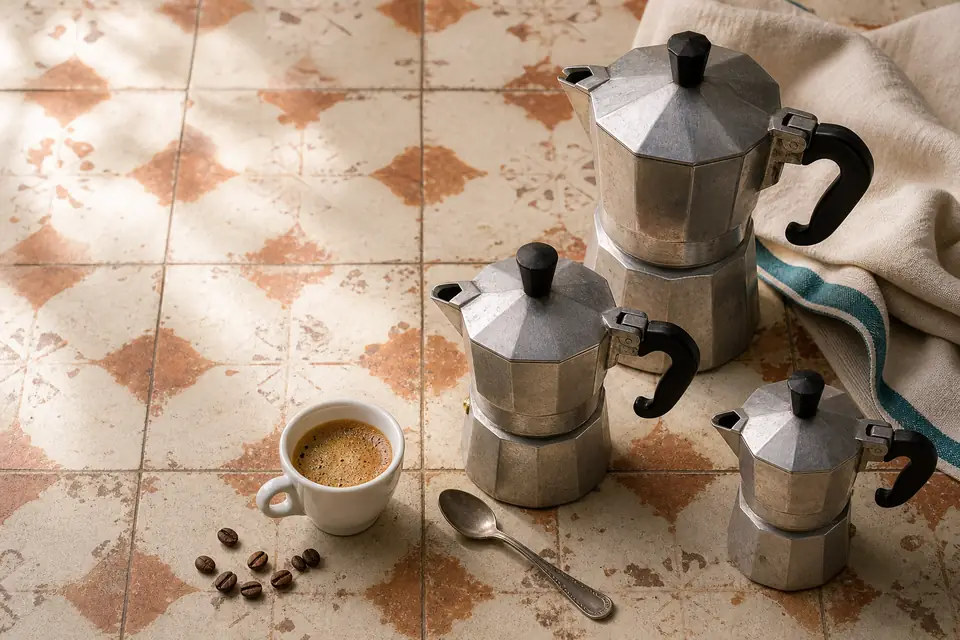
Quick take
For most homes, a simple 3-cup aluminum moka pot is the sweet spot. It is small, low-cost, and makes the strong first pour needed for espumita.
I love how small Cuban coffee feels like a whole event. The cup is tiny. The flavor is not. A good Cuban coffee maker helps you brew a dark base, then the first drops are whipped with sugar to make espumita.
I compared seven popular ways to make that cup at home. Most are moka pots. One is electric, and one is a small espresso machine. They do not taste the same, but each can work.
The best Cuban coffee maker is not always the fanciest one. A plain coffee pot can make rich flavor when the size, heat, and ground coffee are right.
Choosing a Cuban Coffee Maker
| Maker | Best for | Heat | Main catch |
|---|---|---|---|
| Bialetti Moka Express | Classic home brew | Gas or electric coil | Not made for most induction tops |
| Bialetti Venus | Induction kitchens | Most stove types | Costs more than basic aluminum |
| Grosche Milano | Color and grip choices | Gas or electric coil | Paint needs gentle care |
| IMUSA Aluminum | Low-cost first pot | Gas or electric coil | Light build |
| Primula Classic | Simple family pot | Gas or electric coil | Check the seal often |
| De’Longhi Alicia | Desk or small kitchen | Electric base | More parts to clean |
| Breville Bambino Plus | Espresso and milk drinks | Plug-in machine | High price and more care |
What is Cuban coffee?
Cafecito is a short, strong, sweet coffee. Espumita is the pale foam on top. It comes from fast whisking, not milk.
A moka pot uses steam pressure to push hot water through fine coffee. The cup is rich, yet it is not true café espresso. An espresso machine uses much more pressure. That makes a thicker shot with a different body.
Does that matter? A little. Still, the moka pot has deep roots in Cuban homes. It is cheap, small, and easy to share. A recent moka-pot discussion also shows the common home method: whip the first dark drops with sugar, then stir in the rest of the brew.
Cuban Coffee Maker Types
Most buyers compare three groups: a stovetop espresso maker, an electric coffee maker, and a home espresso machine. Each coffee maker uses heat and pressure in a different way.
Moka pot: the classic stovetop pick
A moka pot has three main parts. Water goes below. Coffee sits in a small basket. Brewed coffee rises into the top pot.
Why it works
- Small and easy to store
- Low price
- Strong coffee for espumita
- No paper filter
What can bug you
- You must watch the heat
- One pot makes one set amount
- Some pots will not work on induction
- The seal wears with time
You know what? The size labels can fool people. A “3-cup” moka pot does not make three big mugs. It makes about three small servings. For one or two people, that is often just right.
Espresso machine: more control, more work
A small espresso machine gives you a real shot. It can also steam milk for a cortadito. The brew is steady once you learn the grind and dose.
Yet the machine asks for space, cleaning, and cash. It is a good fit if you also make lattes. It feels like too much gear if cafecito is your only goal.
Buying Criteria and Quick Picks
1. Bialetti Moka Express — best classic pick
The Moka Express is the shape most people picture. Its aluminum body is light. Spare seals and filters are easy to find. I would start with the 3-cup size for one or two people, or the 6-cup size for a small table.
Skip it if your stove is induction. Some kitchens can use an adapter plate, but that adds one more hot piece to move.
2. Bialetti Venus — best for induction
The Venus uses stainless steel and has a smooth, tall body. It fits many induction kitchens, though buyers should still check the pot size against the stove’s minimum ring size.
A 2026 Bialetti Venus test praised its simple brew process and rounded coffee. That matches why I place it high: it keeps the moka-pot feel while fitting a modern cooktop.
3. Grosche Milano — best easy-grip style
The Milano line comes in many colors and sizes. Its soft-touch handle is easy to spot in a busy kitchen. It makes the same kind of bold base as other aluminum moka pots.
Wash it by hand. Strong soap and rough pads can mark the finish. Bright paint looks fun, but plain metal ages with less fuss.
4. IMUSA Aluminum Stovetop Maker — best low-cost start
IMUSA is common in many Cuban American kitchens. Its basic aluminum pot is light and direct. There are no extra settings to learn.
The low cost is the draw. Check that the lid sits flat and the gasket seals well. If the fit feels loose, swap the pot instead of fighting weak brews.
5. Primula Classic — best simple family choice
Primula’s classic pot has a familiar shape and a range of sizes. It is a sensible pick when you want a plain brewer that can make several small cups.
I would judge it by the handle, seal, and fill line rather than color. Those small parts shape the daily feel much more.
6. De’Longhi Alicia — best electric moka maker
The Alicia sits on an electric base. That helps in a room with no stove. The clear top also lets you see the brew rise.
It is handy, but not a rough travel pot. The base needs dry counter space and power. It also has more pieces than a stovetop maker.
7. Breville Bambino Plus — best step up
The Bambino Plus is a compact espresso machine, not a moka pot. I added it for readers who want a true shot and easy milk drinks. It heats fast and has a small counter shape.
It costs far more. You will also need a good grinder or fresh fine grounds. Pick it only if the wider coffee menu matters to you.
How to make Cuban coffee with a moka pot
- Fill the lower pot with water to just below the safety valve.
- Add fine dark coffee to the basket. Level it, but do not press it down.
- Screw the pot closed and set it over low to medium heat.
- Place sugar in a strong cup. Start with about two teaspoons per small serving.
- Catch the first spoonful of very dark coffee. Beat it into the sugar until it turns pale and thick.
- Take the pot off heat when the flow turns light or starts to sputter.
- Pour the rest into the sugar foam. Stir with care, then share.
Low heat helps. A moka-pot guide published in 2026 also warns that late sputtering can bring a bitter taste; turn off the heat once most of the coffee has risen. See the plain explanation in this moka pot overview.
Espumita fixes
- Too thick? Add a few drops of coffee and beat again.
- Too thin? Add a little sugar, then whisk faster.
- Gone flat? The first coffee may have sat too long. Work while it is hot.
How I would choose
Material matters less than fit and heat. Aluminum is light and classic. Steel is sturdy and often induction-ready. The best choice is the one that matches your stove, serving size, and patience in the morning.
Maintenance and Cleaning
Let the pot cool. Take out the basket, then rinse each part with warm water. Dry it before you put it back together. Follow the maker’s guide if it calls for soap, since care rules can differ by finish.
Look at the rubber seal each month. Replace it if it is hard, split, or stained with deep grooves. Keep the safety valve clear. An electric or espresso machine also needs regular scale care based on local water and the maker’s guide.
My final call
For most readers, I would buy a basic 3-cup moka pot. The Bialetti Moka Express is the safe classic. The Venus makes more sense on induction. IMUSA is a good low-cost door into the same ritual.
A bigger machine can make fine coffee, but it does not make the moment more Cuban. The sugar foam, strong first sip, and act of sharing do that.
Cuban coffee maker FAQ
Can any moka pot make Cuban-style coffee?
Yes. The Cuban coffee maker does not need a special pump. A moka pot, fine coffee grounds, dark roast coffee beans, and sugar can make a good cafecito.
Is a stovetop coffee maker the same as an espresso maker?
No. A stovetop coffee maker uses less pressure. It makes strong brewed coffee, not true espresso. Many people still call it a stovetop espresso maker because the cup is small and bold.
What is the best Cuban coffee maker for a first cup?
I would choose a 3-cup moka coffee maker. It is easy to learn, easy to clean, and fits a small kitchen. Pick steel for an induction stove. Pick aluminum for a light classic pot.